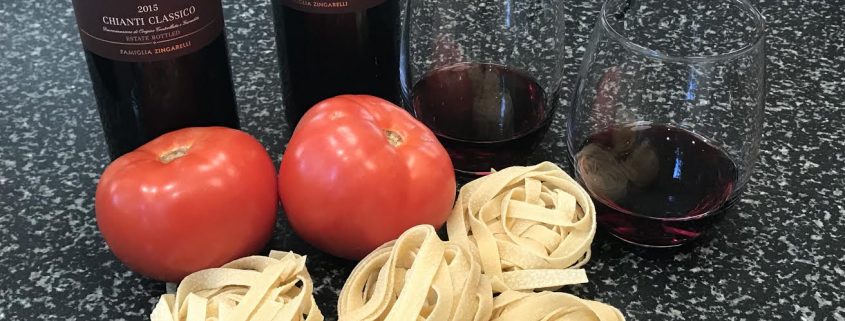
On Wednesday, I went to the farmer’s market in Arlington and there they were. Native tomatoes! I bought a carton of cherry tomatoes, a carton of sun gold tomatoes, a few Black Princes and six early Early Girls. I also bought a big bunch of basil because my daughter and her husband were coming for over and I was planning a simple, summery pasta for dinner.
Now I needed wine.
Although, since Sideways, we all drink Pinot Noir, pasta with tomatoes and garlic calls for something a bit bolder. Something Italian. I could have picked a Montepulciano, which I love, but my inner Anthony Hopkins prevailed.
Hello, Chianti.
I picked up two bottles of Rocca delle Macie’s 2015 Chianti which boasts a understated label that belies its reasonable price. Then I went home, unpacked the tomatoes and got cooking. This is my easy, go-to summer pasta sauce because frankly with fresh, ripe tomatoes, it’s hard to go wrong.
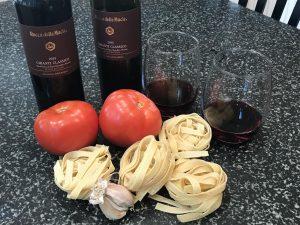
I tossed some minced fresh garlic in a pan with good olive oil. My daughter, Perry, arrived. “Smells good in here!”
I handed her a corkscrew and she opened the Chianti. Yes, she’s over 21. And that’s just one of the great things about adult kids. You can drink with them. We poured the wine and noted its gorgeous ruby color. We sipped and knew that even though the first swallow was delicious (tart cherry, vanilla? cinnamon?) it would be even better by the time we ate. So we opened the second bottle to let it mellow out, too.
Then Perry showed me a hack to slice cherry tomatoes that she had seen on YouTube.
It worked!
So we tossed all the halved cherry tomatoes and one of each of the big tomatoes into the pan with some salt, pepper and basil chiffonade. While the sauce cooked down a bit, we started the water for pasta, put some hot Italian sausages onto a cast iron pan and made an arugula salad.
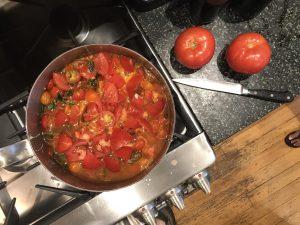
By the time my son-in-law and husband arrived, it was time to eat. We brought our plates and the two bottles wine onto the porch so we wouldn’t have to get up mid-meal. The evening was getting cooler, the sky was turning grey, thunder rumbled in the distance. We filled our glasses and toasted to an ordinary Wednesday. The wine had opened up and was smooth as silk, the tagliatelle was al dente and the sauce captured the essence of summer.

May every day be this ordinary. Ciao!
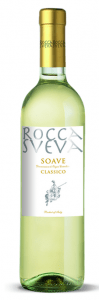 Soave Classico is the heart of great wines made with the Garganega grape. It is in the extremely picturesque part of the Veneto that is just east of the gorgeous Lake Garda. The valleys are lush and beautiful dotted with castles and modern buildings alike. Rocca Sveva is made by the cooperative winery, the Cantina Di Soave, which having been established in 1898, is celebrating its 120th anniversary this year. They use high-technology to analyze soils and ensure the quality of the grapes supplied by their growers as well the latest techniques to ensure quality but make wines that are extremely traditional and hark back to their origins.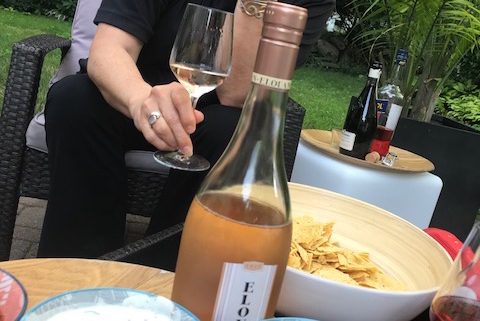
 Still, when my neighbor Edith, who is from France, invited me and a few other women over for “aperitifs,” I fretted over what wine to bring. Frankly, the French thing is a little intimidating. I mean they practically invented wine. My first instinct was to buy a rosé from Provence, but then I saw the Elouan rosé with its distinctive vertical label. I am a big fan of wines from Oregon and Elouan’s pinot noir is practically my house wine—so I bought the rosé, iced it down and trotted next door for to join the gals.
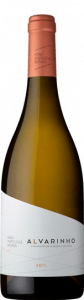 Portugal has long been overshadowed by its neighbor in wine production. Spain is quite simply a powerhouse when it comes to wine. Everyone has heard to Rioja and Ribera Del Duero, they know the Temperanillo grape and most have heard of Garnacha as well. Spanish Cava, their traditional method sparkling wine, is beginning to be highly prized and is starting to compete on quality with Champagne in a way that Prosecco never will. So, how is Portugal to fight back and carve out its own identity when so many of the wines are so similar? The solution has been to really concentrate in recent decades on quality. Portuguese wines used to be of marginal quality largely because it has a very large domestic market where people drink their local wines by the liter. But over time, it has been recognized that to compete on the global market, the wines have to be really good with consistent and high quality.