
Raisins are nature’s candy. The dried, sugary essence of a grape, concentrated into one little morsel. It seems hard to imagine a wine made from such a thing, but there are actually many. The most famous ones are from Italy, specifically the majestic Amarone, a blend of grapes used to make the very light and delicious Valpolicella wines and Vin Santo, the sweet, luscious desert wine the Italians eat with little biscotti called “cantucci.”
There are other wines made from shriveled grapes – mostly those affected by “noble rot” or botrytis and some “icewine,” made after the water has frozen in the grape so that you when you cold-press the grapes, you just get the sugars and acids and none of the frozen liquid. Excellent examples of these techniques come from Bordeaux in the form of Sauternes or Barsac and Germany, with their Trockenbeerenauslese (dry-berry harvest), but also in the Finger Lakes and the Niagara area where the grapes hang until they freeze before harvesting. I have an on-going love affair with all raisinated, botrytized and frozen wines, but they are all “special occasion” wines, so not on the regular rotation of every day wines.
But this wine is something new, that maybe you could drink more regularly. It is a raisinated wine from the Montepulciano grape, famous for the light, bright, fruity wines of Abruzzo. Most Montepulciano d’Abruzzo wines are meant for drinking casually, a cheerful blend of plums and cherries, with high acidity and low tannins that also “cleanse” the palate when you have it with pasta in a rich sauce. But when you dry the grapes and then press that precious, concentrated liquid into juice that ferments slowly and carefully, you get a deeply colored, deeply flavored wine that will stand up to heavy sauces and red meats and spice! This is a wine that has the intensity of a California Cabernet with all the mouth-filling aromas of fruit and some herbs, but has the acid brightness of wild cherries and summer plum, like a much lighter wine. It is a wonderful, unusual combination that will have you taking just one more sip, just to see if it really does have all that complexity. And the texture will have keep you sipping once you are used to the unusual mix of flavors, it is smooth and viscous. At $14.99, it will give that Amarone you’ve been saving for a special occasion a definite run for its money.
We had it last night with roasted leg of lamb and a wonderful mint sauce – definitely a regular from now on!




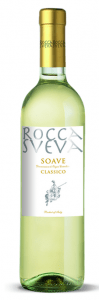 Soave Classico is the heart of great wines made with the Garganega grape. It is in the extremely picturesque part of the Veneto that is just east of the gorgeous Lake Garda. The valleys are lush and beautiful dotted with castles and modern buildings alike. Rocca Sveva is made by the cooperative winery, the Cantina Di Soave, which having been established in 1898, is celebrating its 120th anniversary this year. They use high-technology to analyze soils and ensure the quality of the grapes supplied by their growers as well the latest techniques to ensure quality but make wines that are extremely traditional and hark back to their origins.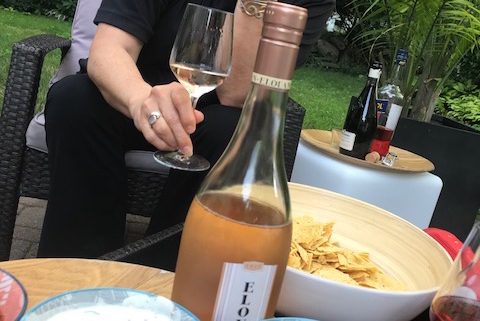
 Still, when my neighbor Edith, who is from France, invited me and a few other women over for “aperitifs,” I fretted over what wine to bring. Frankly, the French thing is a little intimidating. I mean they practically invented wine. My first instinct was to buy a rosé from Provence, but then I saw the Elouan rosé with its distinctive vertical label. I am a big fan of wines from Oregon and Elouan’s pinot noir is practically my house wine—so I bought the rosé, iced it down and trotted next door for to join the gals.
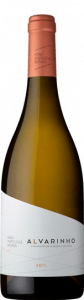 Portugal has long been overshadowed by its neighbor in wine production. Spain is quite simply a powerhouse when it comes to wine. Everyone has heard to Rioja and Ribera Del Duero, they know the Temperanillo grape and most have heard of Garnacha as well. Spanish Cava, their traditional method sparkling wine, is beginning to be highly prized and is starting to compete on quality with Champagne in a way that Prosecco never will. So, how is Portugal to fight back and carve out its own identity when so many of the wines are so similar? The solution has been to really concentrate in recent decades on quality. Portuguese wines used to be of marginal quality largely because it has a very large domestic market where people drink their local wines by the liter. But over time, it has been recognized that to compete on the global market, the wines have to be really good with consistent and high quality.