I remember the first time I tasted a Soave in my wine class. I was expecting Riunite – a sweet fruity drink that would loosely be classified as wine. Boy, was I disappointed! My first taste – which went against every expectation I had – was tough. It was totally dry, dry as the Sahara dessert and therefore shocking to my palate.
Let me back up a step. Expectations are always a tricky thing. Sometimes, they become a self-fulfilling prophecy – you expect something to be bad, you make it bad in your mind by picking it apart. And vice versa, you expect something to be good, so you only see the upsides. But most of the time, expectations can mislead you. When someone hypes something to you and raises your expectations too high, you are bound to be disappointed. And again, vice versa, you hear only negative reviews of something, but then when you actually try it, it’s not so bad! My husband used to always tell me to spend about 20 percent of my time managing expectations. In order to get a job for example, you have to talk yourself up. But then when you actually get the job, you need to make sure people are going be realistic about what you can accomplish. So, walk the line of not being a complainer, but talk about the challenges, your problem solving strategies and so forth. Make sure people know what they are getting so then, they will be happy with the outcome!
Now, back to the shock to the palate. Soave is dry! Dry, dry, dry but also delicately floral with notes of peach and pear and a very refreshing, crisp, mineral-driven finish. In fact, it is one of the great wines of Italy. One would not necessarily know that because it is not as recognizable as Chianti or Prosecco. And furthermore, it is made from the terribly named Garganega (pronounced gar-GA-nega) grape. Sounds like mouthwash, but tastes sublime – it is fresh, lively and can pair with everything from white meats to shellfish.
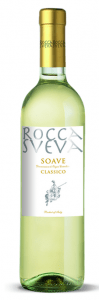 Soave Classico is the heart of great wines made with the Garganega grape. It is in the extremely picturesque part of the Veneto that is just east of the gorgeous Lake Garda. The valleys are lush and beautiful dotted with castles and modern buildings alike. Rocca Sveva is made by the cooperative winery, the Cantina Di Soave, which having been established in 1898, is celebrating its 120th anniversary this year. They use high-technology to analyze soils and ensure the quality of the grapes supplied by their growers as well the latest techniques to ensure quality but make wines that are extremely traditional and hark back to their origins.
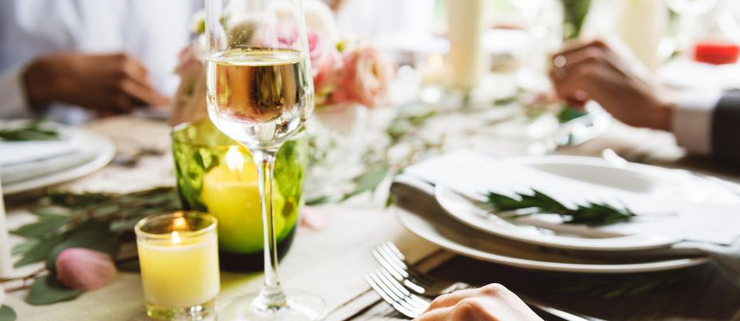
The Rocca Sveva Soave Classico 2016 is a wonderful, easy-to-drink, highly enjoyable wine. It’s beauty is in its simplicity. It doesn’t require any concentration to appreciate its depths like a white Burgundy might and it doesn’t lull you into a stupor like a big, high-alcohol, buttery Chardonnay might. In fact, at 12.5% alchohol, you can enjoy that second glass guilt free. And really prolong the enjoyment on a hot summer’s day. This wine has lovely notes of grapefruit and lemon zest with a hint of white peach on the nose. It has a nice, soft mouthfeel with some mineral notes and it leaves your palate with a fresh, dry snap.
Cheers! Seema
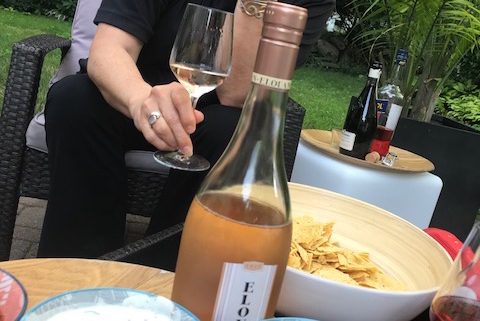
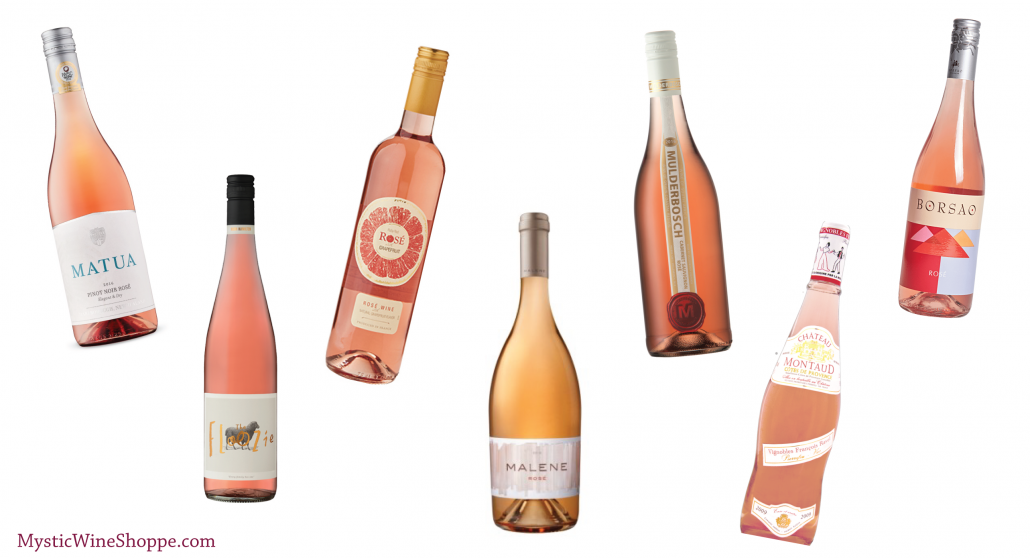
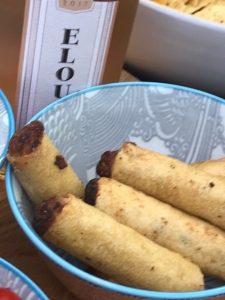 Still, when my neighbor Edith, who is from France, invited me and a few other women over for “aperitifs,” I fretted over what wine to bring. Frankly, the French thing is a little intimidating. I mean they practically invented wine. My first instinct was to buy a rosé from Provence, but then I saw the Elouan rosé with its distinctive vertical label. I am a big fan of wines from Oregon and Elouan’s pinot noir is practically my house wine—so I bought the rosé, iced it down and trotted next door for to join the gals.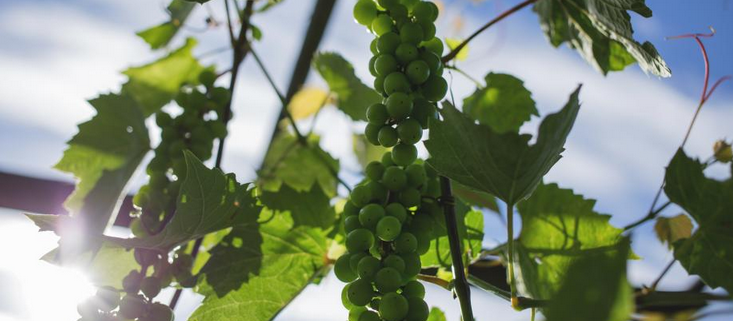
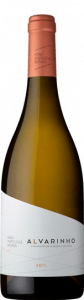 Portugal has long been overshadowed by its neighbor in wine production. Spain is quite simply a powerhouse when it comes to wine. Everyone has heard to Rioja and Ribera Del Duero, they know the Temperanillo grape and most have heard of Garnacha as well. Spanish Cava, their traditional method sparkling wine, is beginning to be highly prized and is starting to compete on quality with Champagne in a way that Prosecco never will. So, how is Portugal to fight back and carve out its own identity when so many of the wines are so similar? The solution has been to really concentrate in recent decades on quality. Portuguese wines used to be of marginal quality largely because it has a very large domestic market where people drink their local wines by the liter. But over time, it has been recognized that to compete on the global market, the wines have to be really good with consistent and high quality.